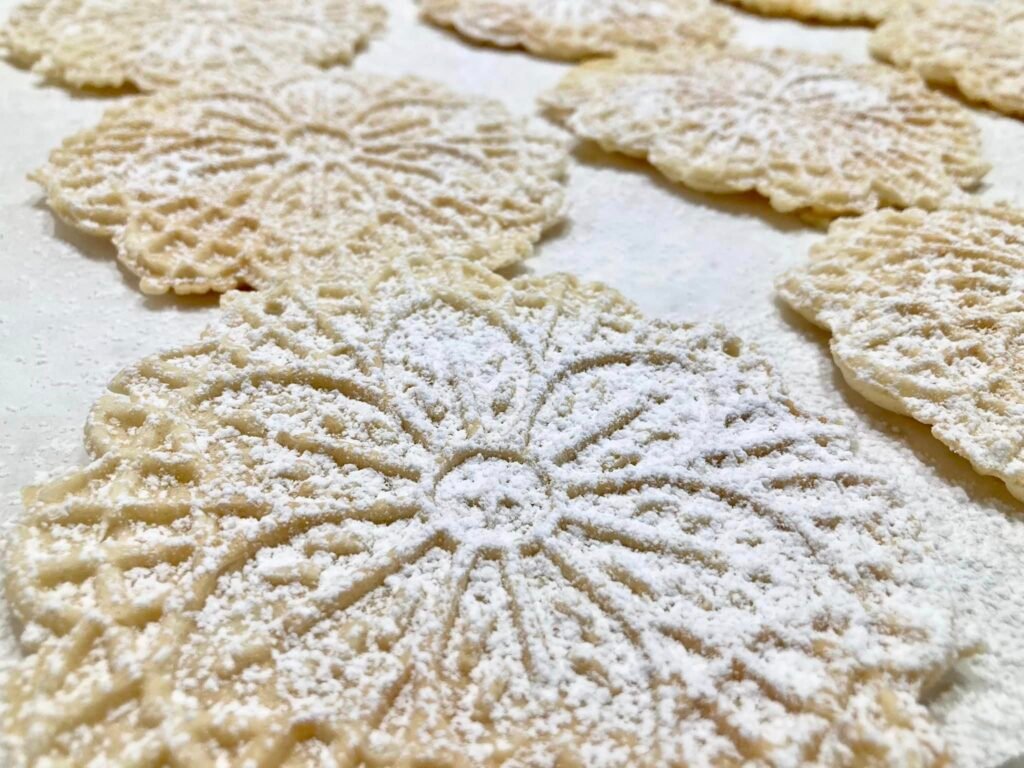
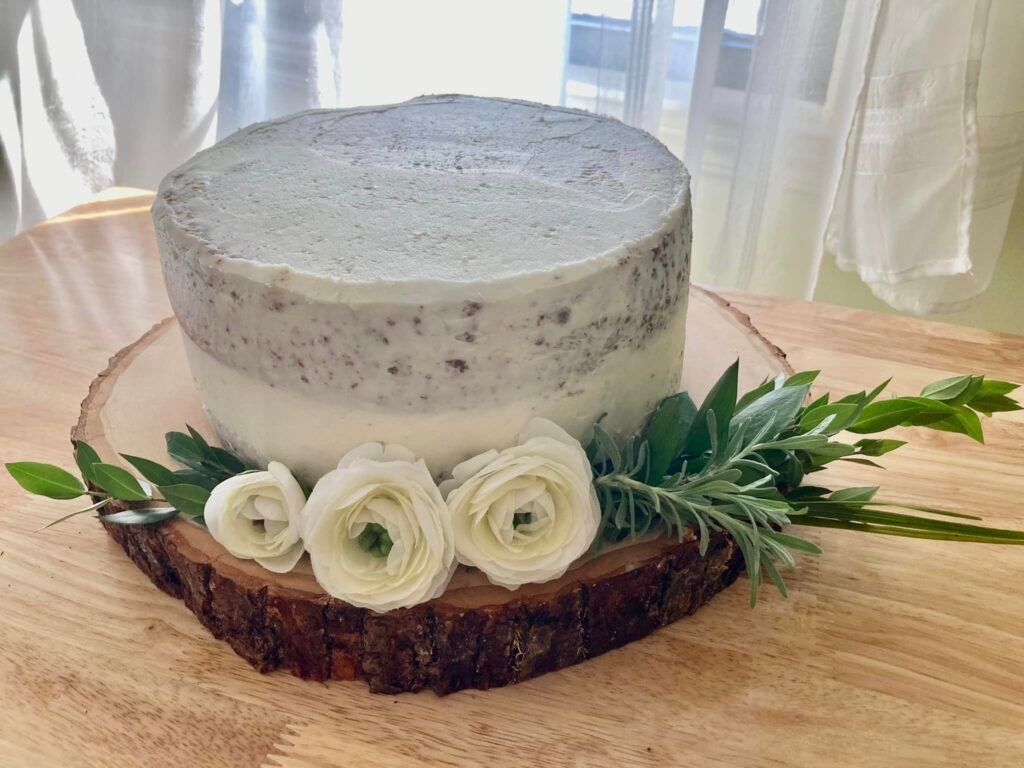
Baking has been a part of my life since grade school. Some of my fondest memories involve making peach pie with my grandma and baking chocolate chip cookies with my mom, who had a deep love for all things sweet.
Those early experiences sparked my love for baking, and in 2015, I launched a home baking business in honor of my mom—just a year after she went to be with Jesus. She bravely fought a 22-year battle with MS and was my biggest encourager.


After college, she gifted me a few cake decorating classes. My first cakes weren’t exactly showstoppers, but they ignited a passion that would eventually grow into a business—a key step in turning baking into a business.
Now, as I care for my dad—affectionately called “Daddio”—baking from home is a blessing. He’s my enthusiastic taste tester, and through the years, I’ve built friendships with amazing vendors and customers at Farmers Markets and community events.
If you love baking and dream of turning that passion into a business—a key step in how to sell baked goods from home, here’s how to get started—a key step in home bakery startup guide:
1. Discover Your Niche and Bake What You Love
Begin with one or two items that showcase your skills and build customer interest. For me, cookies were a natural starting point—and they quickly became best-sellers.
To stand out, consider serving dietary-specific markets like gluten-free, vegan, or keto. If you have a talent for decorating, that can become your signature. Defining your niche helps you attract loyal customers who crave exactly what you offer.
2. Craft a Solid Business Plan for Long-Term Success
A business plan helps you stay focused and grow with intention. Define your goals, target market, and pricing structure. Decide where and how you’ll market your goods—social media, local events, or partnerships all work well.
If you ever seek funding, a detailed plan becomes essential.
3. Set Up a Functional Kitchen That Works for You
Start with the essentials and gradually upgrade. Quality tools lead to consistent results. I recommend brands like USA Pans and Nordic Ware. Watch for sales, or host a Pampered Chef party to build your kitchen inventory affordably.
Organization and cleanliness are vital, especially when working from home.
- USA Pan baking pans feature Americoat which promotes quick release of baked-goods plus fast and easy clean up; wash with…
- Nonstick Americoat coating – a patented silicone coating which is PTFE, PFOA and BPA free – provides quick and easy rele…
- Made in the USA; each cup measures 2.75 x 2.13 x 1.38 inch
4. Understand Cottage Food Laws & Legal Requirements
Before selling, learn your state’s regulations—a key step in cottage food business tips. In Illinois, I had to complete a Food Sanitation Course, renew my Cottage Food License annually, and get recipes approved.
Now in Florida, the rules are more relaxed—but allergen labeling and packaging requirements remain.
Check with your local health department to ensure compliance.
5. Build a Brand That Reflects Your Story
Your brand should represent your style, values, and personality. I named my business after my mom as a way to keep her legacy alive.
Canva is a great tool for designing logos and labels, and my Jiose Thermal Label Printer has made labeling quick and easy.
Your packaging matters—make it memorable.
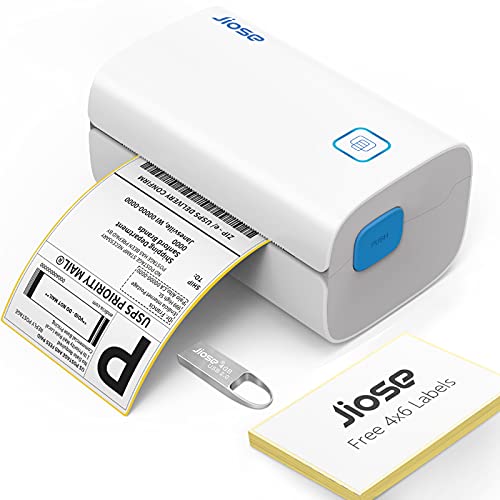
- 【Update Compatible System】Jiose label printer of J500 is not only compatible with Windows and macOS, but also suitable f…
- 【152mm/s Printing Speed & Long Life】Jiose shipping label printer achieves high-speed printing (up to 86 labels/min) at 2…
- 【Automatic Label Identification】Jiose USPS shipping label Printer automatically catches the first label, detects the siz…
6. Market Your Business Like a Pro—Even on a Budget
Let people know you exist! Try these methods:
– Word-of-mouth (free and powerful)
– Social media (Facebook and Instagram are goldmines)
– Farmers Markets and local events
– Cross-promotions with fellow vendors
Build relationships, not just transactions.
7. Focus on Customer Experience to Build Loyalty
Customers remember how you make them feel. Respond promptly, personalize when possible, and go the extra mile.
I once shared a beloved bread recipe with a customer for her elderly mother—it meant the world to her. These moments build long-term trust and loyalty.
8. Manage Your Finances to Stay Profitable
Track every penny. Use apps or accounting software to monitor expenses, revenue, and taxes.
When pricing, factor in time, materials, packaging, and overhead. Value your time—you’re not just baking; you’re running a business.
9. Keep Learning, Growing, and Improving
Stay inspired! Try new recipes, test out trending flavors, and refine your techniques. Whether you’re improving packaging or learning to pipe buttercream roses, continual growth keeps your offerings fresh and exciting.
Final Thoughts: Savor the Sweet Journey Ahead
Turning your love of baking into a business is a beautiful mix of creativity, discipline, and heart. From perfecting recipes to branding your business, every step offers the chance to connect with others and create something meaningful.
If you’re ready to take the leap, start small, stay passionate, and enjoy the journey—one delicious batch at a time.
Thanks for reading and happy baking!